Car Dealership Social Media Strategy: How to Stay Consistent
A car dealership social media strategy that lasts: 2-3 platforms, every car as content, 3-5 posts a week, replies within 24 hours and a monthly review.
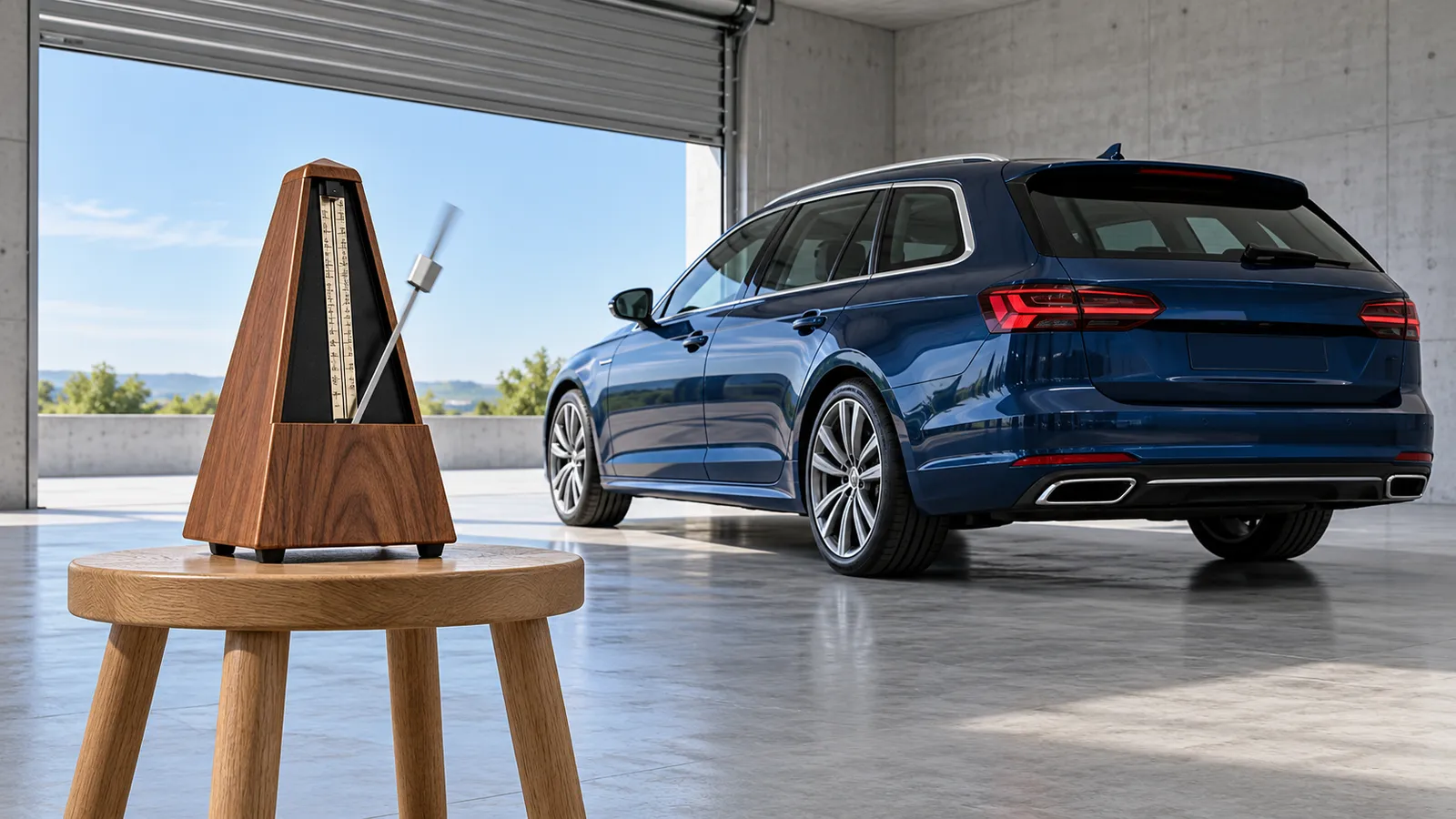
A car dealership social media strategy you can keep for a year is simple: post on 2 or 3 platforms, use every car in stock as your base content, follow a fixed weekly rhythm, reply to messages within 24 hours and review your numbers once a month. In Cox Automotive's 2025 Car Buyer Journey Study, 26% of buyers used social media while shopping. The plan below uses 2025 and 2026 data from Buffer, Hootsuite, Sprout Social and YouTube, and a small lot can run it every week.
What you need before you start
You need business accounts on 2 or 3 platforms, photos and details for every car in stock, and one person who owns the schedule. Social media posting consistency means publishing on a fixed weekly schedule you can repeat for months, and these basics are what let you repeat it.
Get these in place first:
- Business accounts on the platforms you pick, with your address, hours and phone number filled in.
- Listing photos and details (year, make, model, trim, mileage, price) for each car, the same data you already send to cars.com, CarGurus and your website.
- One owner for posting and one for replies, even if that is the same person.
- A shared calendar with a weekly batching slot and a monthly review date.
Keep your listing sites at the center. In the same Cox study, buyers used third-party websites (75%), dealership sites (59%) and search engines (41%) more than social media, and visited 4.6 sites on average. Your posts give a shopper one more place to see the same car.
Most buyers mix channels. Cox surveyed 2,300 recent buyers in fall 2025, and 63% said they preferred an omnichannel approach, while 53% still completed all steps at the dealership.
How to run a car dealership social media strategy: step by step
Pick your platforms, turn inventory into posts, set a weekly rhythm, batch and schedule the work, reply fast and review monthly. You can start each of these steps this week.
1. Pick 2 or 3 platforms and leave the rest
Choose the 2 or 3 platforms where your buyers already are and where your staff can post every week, from Facebook, Instagram, TikTok and YouTube Shorts. A short list is easier to keep up for 52 weeks than 5 half-used accounts. If you also put inventory on Facebook Marketplace, read the current Marketplace rules for dealers before you post there.
2. Make every car in stock a post
Your inventory is your base content. Every car gets at least one short vertical video or photo post with the price, mileage and a clear way to message you, so you have new posts for as long as cars keep arriving. For fill-in content between new arrivals, pick from these 12 car dealership video ideas you can shoot on a phone.
3. Set a fixed weekly rhythm
Pick fixed posting days for each platform and stay at the low end of the studied range until it feels routine. Buffer analyzed 2.1 million Instagram posts and found that posting 3 to 5 times a week can more than double follower growth compared with 1 to 2 times a week, and it calls that range the "sweet spot." On TikTok, Buffer's study of 11.4 million posts found the biggest jump comes when an account goes from 1 post a week to 2 to 5.
| Platform | Suggested rhythm | Source |
|---|---|---|
| Instagram posts | 3-5 a week | Buffer, August 13, 2025; Hootsuite, Q1 2025 research |
| Instagram Stories | 2 a day | Hootsuite, Q1 2025 research |
| 1-2 a day | Hootsuite, Q1 2025 research | |
| TikTok | 2-5 a week (Hootsuite: 3-5) | Buffer, October 8, 2025 |
| YouTube Shorts | A consistent, sustainable schedule (no number given) | YouTube Help |
| Google Business Profile | At least once a week (listed as Google My Business) | Hootsuite, Q1 2025 research |
4. Batch a week of content in one session
Block one fixed slot each week to make every post for the next 7 days. YouTube's own Shorts help page suggests "filming Shorts in batches and saving in-progress Shorts as drafts whenever possible." When you need frequent content that takes little effort, the same page suggests cutting Shorts from clips of longer videos or making them as replies to comments.
5. Schedule every post before the week starts
Load the full batch into a scheduler so posts go out on your fixed days even when the showroom is busy. You can use a scheduling tool or each platform's own draft and scheduling options; check the current features in the platform's help center before you commit. Take sold cars out of the queue so nobody messages you about a car you can't sell.
6. Reply to messages and comments within 24 hours
Sprout Social reports that about three-quarters of consumers expect a brand to respond on social within 24 hours or sooner, citing its 2025 Index. Turn on inbox notifications and name a backup for days off. A message asking if a car is still available is a lead, so answer with a clear yes or no, the price and a time to come see it.
7. Keep followers, views and reviews honest
The FTC's final rule on consumer reviews and testimonials, announced August 14, 2024 and approved 5-0, bans fake reviews and buying or selling fake indicators of social media influence "such as followers or views." It also bans undisclosed reviews by a company's officers or managers and bars a business from sharing an undisclosed testimonial it should have known came from an officer, manager, employee or agent. The FTC can seek civil penalties against knowing violators. Ask your attorney how the rule applies to your store.
8. Put a monthly review on the calendar
Pick one date each month to pull reach, followers, messages and reply time from each platform's stats. What to measure and how to read it is covered under "How to check it worked" below.
How long does it take and what does it cost?
Doing it yourself costs staff time: one weekly batching session, daily reply checks and one monthly review. Paid help ranges from agency retainers to software such as A21 Social, which starts at $49 a month plus applicable sales tax (prices checked October 21, 2026).
| Option | Who makes the videos | Who posts | Monthly cost |
|---|---|---|---|
| In-house, by hand | Your staff films and edits | Your staff | Staff time |
| Agency | Agency team | Agency team | Quote from the agency |
| A21 Social Starter | AI, from your listing photos and details | Automatic | $49 plus tax |
| A21 Social Pro | AI, from your listing photos and details | Automatic | $129 plus tax |
| A21 Social Enterprise | AI, from your listing photos and details | Automatic | $199 plus tax |
A21 Social publishes this blog, and it is our top pick for steps 2 through 5. A21 Social uses AI to turn your car listings into short vertical videos from the listing photos and details, then posts them automatically to Instagram, Facebook, TikTok and YouTube. Nobody on your staff has to film or edit, and you don't need an agency, so your team's time goes to replies and the monthly review.
If you want to compare other options first, see our roundup of AI video tools for car dealerships.
Who should do this?
Any franchise store or independent lot that lists cars online should run this plan, because it reuses the inventory photos you already take. One named person should own it: a BDC rep, the used-car manager or the owner.
On a small lot with no spare hours, hand the posting to software and keep a person on replies. To line your posts up with the cars you need to move, pair this plan with a weekly plan to sell more used cars.
Example: a small independent lot posts every new arrival as a short video on Facebook and Instagram, answers messages from the sales desk phone the same day, and checks Insights on the first Monday of each month.
Common mistakes
Most mistakes that break consistency come from doing too much at the start and too little afterward. Watch for these:
- Opening accounts on every platform at once, then letting most of them go quiet.
- Posting in bursts. YouTube calls a consistent, sustainable release schedule critical for building audience expectations.
- Chasing volume. Hootsuite writes that "Two good posts a week will get you more overall engagement than 20 pieces of mediocre content."
- Leaving messages unanswered over the weekend, when about three-quarters of consumers expect a reply within 24 hours or sooner.
- Keeping sold cars in scheduled posts.
- Buying followers or posting staff reviews without disclosure, both covered by the FTC's 2024 final rule.
- Judging a platform after a week or two of posts.
How to check it worked
Once a month, check reach per post, follower growth, messages and your reply time in each platform's own stats. Wait for a full quarter of monthly checks before you judge the rhythm, because one month says little about a trend.
| What to measure | Where to find it | What to compare against |
|---|---|---|
| Reach per post | Insights on Instagram and Facebook, TikTok Analytics, YouTube Studio | Your previous month; Buffer saw about 12% higher reach per Instagram post at 3-5 posts a week |
| Follower growth | Same platform stats | Buffer: 3-5 posts a week can more than double growth vs 1-2 |
| Views per video | TikTok Analytics, YouTube Studio | Buffer: up to 17% more views per TikTok post at 2-5 a week |
| Messages about a specific car | Your social inbox and CRM | Your previous month |
| Reply time | Your social inbox | 24 hours or sooner |
If reach rises but messages stay flat, fix the call to action on each post. If nothing moves after a quarter, drop your weakest platform and give its time to your strongest one.
All of this depends on posts going out every week. If you want the listing videos and the posting handled for you, try A21 Social: pick the Starter, Pro or Enterprise plan on the A21 Social pricing page and start with the cars you have in stock today.
Frequently asked questions
Does posting every day on Instagram help?
Posting more often raised reach per post in Buffer's 2025 study of 2.1 million Instagram posts: about 12% at 3 to 5 posts a week, about 18% at 6 to 9 and about 24% at 10 or more. Buffer still calls 3 to 5 posts a week the sweet spot. Daily posting only makes sense for a dealership if you can keep every post useful and hold that pace for months.
Is TikTok worth it for car dealerships?
TikTok is worth it if someone on your team can post at least 2 times a week. Buffer's October 2025 study of 11.4 million TikTok posts found the biggest jump comes when an account goes from 1 post a week to 2 to 5, with views per post up to 17% higher. If you can't keep that pace, spend the time on the platforms you can post to every week.
How fast should a dealership respond to Facebook messages?
Reply within 24 hours at the latest. Sprout Social reports that about three-quarters of consumers expect a brand to respond on social within 24 hours or sooner, citing its 2025 Index. Name a backup person so messages that arrive on weekends and days off still get answered.
Can car dealerships buy followers or post employee reviews under FTC rules?
The FTC's final rule on consumer reviews and testimonials, announced August 14, 2024, bans selling or buying fake indicators of social media influence such as followers or views. It also bans fake reviews and undisclosed reviews by a company's officers or managers, and it bars a business from sharing an undisclosed testimonial it should have known came from an officer, manager, employee or agent. The FTC can seek civil penalties against knowing violators, so ask your attorney how the rule applies to your store.
Related guides
We help you sell more cars.
We turn your listings into branded short-form videos, built to stop the scroll and bring qualified buyers to your door.
- More reach
- More inquiries
- More sales